
Wellness and Longevity
Procelk®’s Wellness protocol is a regenerative medicine treatment based on the intravenous infusion of mesenchymal stem cells.
This innovative approach helps restore the body’s overall balance by strengthening the immune system, reactivating natural cellular regeneration processes, and delaying the effects of aging.
Clinical benefits
At Procelk®, we take wellness and longevity to a premium level, with regenerative medicine designed to help you feel better, preserve your energy, and care for your health with a forward-looking vision.
Reduction of Systemic Inflammation
Could stem cells help improve your type 2 diabetes? A step toward new alternatives
Living with type 2 diabetes can be a constant struggle, with symptoms such as fatigue and concern about how well the pancreas is functioning. Lian and team from Peking University Shenzhen Hospital published a phase 2 clinical trial in the World Journal of Clinical Cases (2023) evaluating the safety of intravenous infusions of human umbilical cord mesenchymal cells over three weeks, with a 24-week follow-up. Although some patients experienced transient fever and one case of hypoglycemia, no serious events were reported. In addition, significant changes were observed, including a decrease in lymphocytes and an increase in D-dimer, with no evidence of liver damage or tumor-related issues.
Umbilical cord stem cells may represent a safe and promising alternative for the treatment of type 2 diabetes, although certain parameters should be monitored during treatment. If you are looking for new options for diabetes management, this approach may be right for you.

Changes in complete blood count: Serial graphs (baseline and weeks 1, 2, 3, 4, 12, 24) of leukocytes, neutrophils, lymphocytes, monocytes, platelets, and neutrophil-to-lymphocyte ratio, comparing placebo vs hUC-MSC.
Coagulation markers: Follow-up (baseline and weeks 1, 2, 3, 4, 12, 24) of prothrombin time, aPTT, thrombin time, fibrinogen, and D-dimer, comparing placebo vs hUC-MSC.
COVID-19 Longevity
Rapid improvements in lung function with stem cells in severe COVID-19 pneumonia cases

Series of CT scans comparing the patient’s pulmonary progression with COVID-19.
A-1 to A-4 (Feb 12): ground-glass opacities and bilateral pneumonic infiltration; regions with traction bronchiectasis are indicated; in the left lower lobe, a crazy-paving pattern is described (ground-glass opacity with septal thickening), with scattered areas of consolidation and vascular dilation.
B-1 to B-4 (Feb 22): slight symptomatic improvement, but significant pneumonia remains; the initial ground-glass regions decrease and new subpleural consolidation appears.
C-1 to C-4 (Mar 1, 6 days post-infusion): pneumonic infiltration is markedly reduced; most opacities clear or disappear; partial areas of consolidation persist.
When COVID-19 pneumonia becomes severe, shortness of breath and persistent symptoms can make recovery feel like a distant goal. Zhang and collaborators, in a report published in Stem Cell Research & Therapy (2020), investigated the use of mesenchymal cells derived from Wharton’s jelly of human umbilical cord tissue (hWJCs) in patients with severe pneumonia at Liaocheng People’s Hospital (China). After treatment, the patient showed significant improvement in lung function and symptoms within the first two days, and was discharged just seven days later. Analyses showed an increase in CD3+, CD4+, and CD8+ lymphocytes, along with a reduction in IL-6, TNF-α, and C-reactive protein levels.
These results point to a positive effect of stem cells on immune modulation and inflammation reduction, which may contribute to faster recovery in severe pneumonia cases. If you are considering alternatives as part of your treatment, a medical consultation can help determine whether this approach may be appropriate for you.
Stem cell treatment for COVID-19-related ARDS shows promising results in survival and recovery
Lanzoni and collaborators, in their study published in Stem Cells Translational Medicine (2021), evaluated the safety and efficacy of intravenous infusions of umbilical cord-derived mesenchymal cells in patients with ARDS due to COVID-19. In this randomized, double-blind clinical trial, 24 patients were randomly assigned to receive two infusions (on days 0 and 3) or a vehicle solution, along with the best available standard of care. No differences in adverse events or serious complications were observed, and by day 6, participants showed a significant decrease in inflammatory cytokines.
Patients treated with stem cells had a 91% survival rate, compared with 42% in the control group, along with faster recovery. This suggests that stem cells may have a positive impact on the clinical course of patients with COVID-19-related ARDS. If you are considering advanced treatment options, a medical consultation can help determine whether this approach is right for you.
Schedule your evaluation and discover how Procelk® can help you live this stage with a new level of wellness and vitality.
Multiple Sclerosis
Stem cell treatment shows functional improvement and stability in a patient with progressive multiple sclerosis
Liu and collaborators published a case report in Clinical Neurology and Neurosurgery (2022) evaluating the use of repeated mesenchymal cell infusions in a patient with progressive multiple sclerosis. Over 11 years, the patient received annual infusions of mesenchymal cells derived from bone marrow and umbilical cord tissue, including umbilical cord cells from his own child. The treatment was well tolerated, with no significant adverse effects. During follow-up, the patient’s EDSS score (Expanded Disability Status Scale) decreased, and MRI findings remained stable, with no new lesions.
For some patients, a sustained cellular approach may be useful in improving functionality and helping prevent progression. If you live with multiple sclerosis and are looking for advanced options, we would be glad to evaluate whether this treatment may be appropriate for you.

Detailed description (according to the provided text): Set of comparative MRI scans from different years.
- (A) Representative T1WI and T2WI images showing multiple demyelinating plaques in periventricular, subcortical, and corpus callosum regions.
- (B) T1WI and T2WI spinal cord images throughout the 2008–2019 period, documenting longitudinal changes.
Improves Cardiac Function
Improved cardiac function with stem cells in patients with chronic heart failure
Living with heart failure often feels like a constant limit: fatigue, shortness of breath with exertion, and the concern that, even with optimal treatment, the heart may not recover its strength. Bartolucci and collaborators published the RIMECARD trial in Circulation Research (2017), a randomized study evaluating the intravenous infusion of umbilical cord-derived mesenchymal cells in patients with stable chronic heart failure and reduced ejection fraction. Participants received a dose of 1×10^6 cells/kg or placebo, and the results showed that only the treated group achieved significant improvement in ejection fraction at 3, 6, and 12 months (+7.07% vs +1.85% in placebo).
In this group of patients, stem cell therapy contributed to measurable improvement in cardiac function, functional class, and quality of life, with no serious complications or treatment-related adverse events.
If you are living with heart failure and want to explore new treatment alternatives, schedule a consultation to assess whether this approach may be appropriate for you.
Transwell migration assay comparing UC-MSCs vs BM-MSCs in response to serum from patients with HFrEF (16 h). Includes a representative stained image (crystal violet) and quantification of the percentage of migrated cells, showing greater migration for UC-MSCs in this experimental setting.

Improves Immune System Response
Can stem cells regulate inflammation in critical situations?
In a sepsis-like setting, one of the most concerning sensations is feeling how inflammation accelerates, with fever, malaise, and the uncertainty of whether the immune system itself may spiral out of control. Perlee and collaborators published a randomized, placebo-controlled, single-blind clinical trial in Stem Cells (2018) evaluating how intravenous infusion of allogeneic adipose-derived mesenchymal cells modulates the response to LPS-induced endotoxemia in 32 healthy volunteers.
Stem cells may have a dual effect on inflammation, with both pro- and anti-inflammatory actions, and at high doses, coagulation should be closely monitored in critical settings. If you believe a cellular option may be helpful for you in a context of systemic inflammation, schedule a consultation to determine whether it is the right approach.
If you are looking for a more advanced way to care for your body over the long term, Procelk® may be right for you.
Supports the Circulatory System
Can stem cells help restore circulation in severe vasculitis cases?
When severe vasculitis compromises circulation, pain, necrosis, and the real risk of amputation can become an urgent condition that dominates the daily life of the patient and family. Wang and collaborators published a case report in Stem Cell Research & Therapy (2024) about an 11-year-old patient with eosinophilic granulomatosis with polyangiitis (EGPA) and bilateral gangrene in both feet due to arterial occlusion and necrotizing vasculitis, who did not respond adequately to glucocorticoid treatment. The team investigated the use of mesenchymal cells derived from perinatal tissue in an allogeneic cellular strategy with both intravenous and local administration. After four months of treatment, eosinophil counts normalized, blood flow in the dorsal arteries improved, and the foot ulcerations showed remarkable recovery.
A cellular intervention may help improve inflammation and circulation in severe vasculitis situations. offering an option when conventional treatments are not enough.
If you are in a similar situation and want to explore new alternatives, schedule a consultation to discuss whether this option may be appropriate for you.

Clinical progression of wounds in both feet. A photographic sequence of lesions on the dorsum of both feet is shown: (a) before stem cell therapy, with extensive areas of necrosis/ulceration; (b) 3 months after therapy, with visible reduction of the lesion and improved tissue appearance; and (c) at discharge, with a more advanced healing appearance compared with the initial image.
Improves Quality of Life and Physical Performance
Improve your quality of life: Stem cells to help fight age-related frailty
Living with age-related frailty is not “just tiredness”: it often feels like losing confidence when walking, hand strength, and independence in everyday activities. Zhu and collaborators published a phase I/II randomized, double-blind, placebo-controlled study in Stem Cell Research & Therapy (2024), evaluating the intravenous infusion of mesenchymal cells derived from umbilical cord tissue in people with frailty. Over six months of follow-up, patients who received MSCs experienced significant and sustained improvements in the physical component of the SF-36 beginning at the first visit, with better results than the placebo group. Improvements were also seen in EQ-VAS from month 2 onward and in functional tests such as TUG, grip strength, and gait performance.
Mesenchymal cells may help improve physical performance, quality of life, and reduce chronic inflammation associated with frailty, all with a favorable safety profile.
If you are experiencing frailty and would like to explore options to improve your well-being, schedule an evaluation to find out whether this approach is right for you.
Greater Vitality
Restore your energy: A cellular alternative for persistent fatigue
When generalized fatigue becomes constant, it does not only exhaust the body: it also limits concentration, mood, and the ability to maintain the pace of daily life. In 2025, Inami reported in the Journal of Clinical Medicine a clinical evaluation of a conditioned medium derived from human mesenchymal cells (obtained from adipose tissue and umbilical cord), prepared in a culture system free of animal-derived components to reduce infection risk. In the study, 19 patients received intravenous infusions, and one patient received inhalation treatment. No serious side effects were reported, and nearly half of the patients experienced symptom improvement after a single administration, with some cases showing signs of reduced inflammation.
Cellular derivatives may help manage persistent fatigue and promote a biological response that improves symptoms, with a favorable safety profile.
If you are dealing with constant fatigue, we invite you to consult with a specialist to explore whether this option may be helpful in your case.

It presents changes in C-reactive protein (CRP) before treatment and after the third administration: (a) the mean CRP in the group of 19 patients and (b) the specific evolution of those who had CRP above 0.3 mg/dL before treatment. Error bars represent standard error.
Learn how Procelk® can help you live this stage with more energy, clarity, and balance.
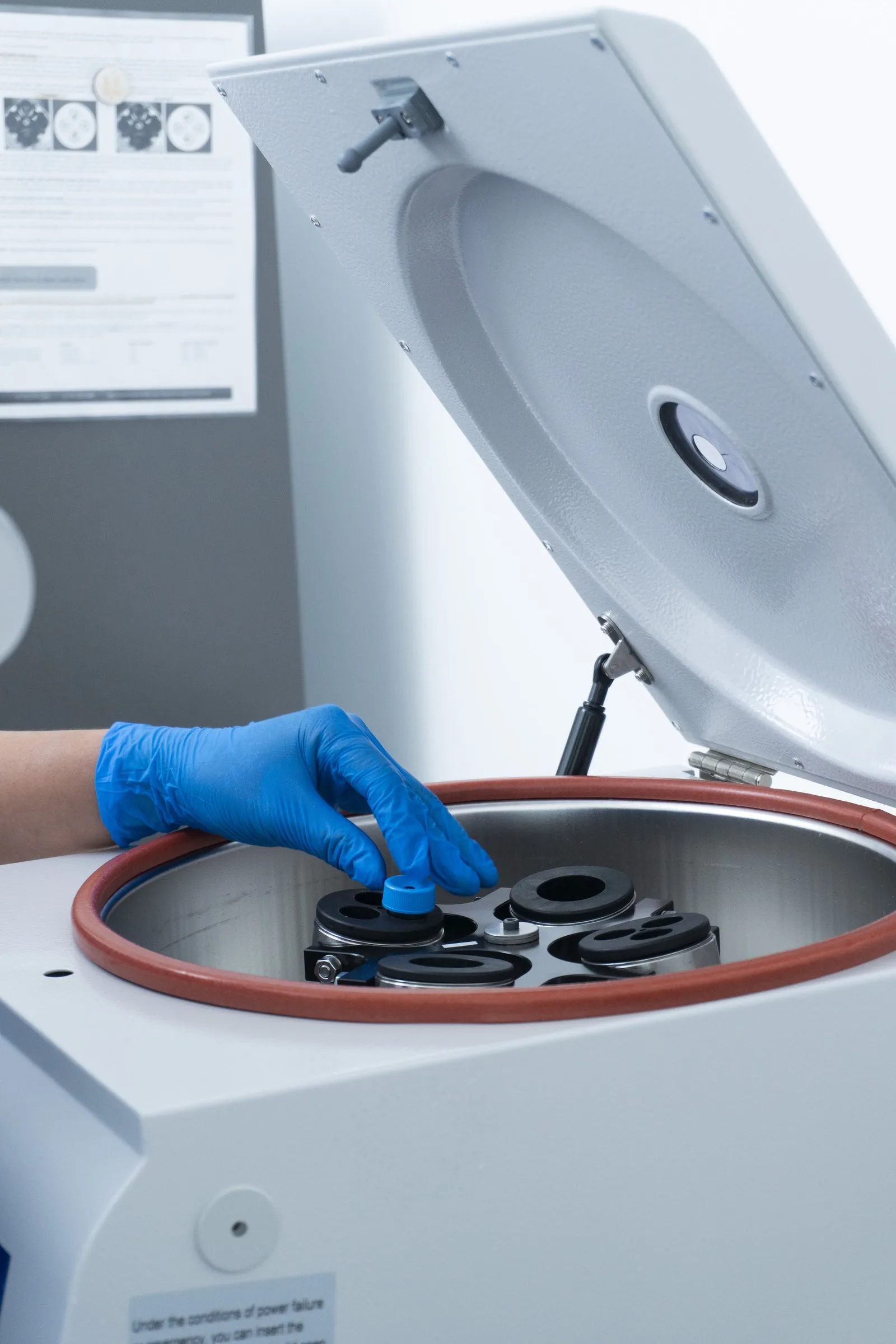
Stem cells function as an intelligent communication network.
By releasing biochemical signals, they play a role in processes related to tissue repair, inflammation modulation, and the optimization of key functions that the body may gradually lose over time.
We use stem cells derived from umbilical cord, a young, potent, and safe source, with efficacy supported by scientific evidence.
In cases where this source is not the most suitable for the patient, we also offer protocols to obtain autologous stem cells from the patient’s own adipose (fat) tissue.
The Wellness protocol is designed for people who want to live longer and better, with more energy, vitality, and physical, mental, and emotional balance.
It is recommended in cases of:
- Hormonal imbalance during stages such as menopause and andropause
- Loss of energy and vitality due to aging or chronic fatigue
- Immune-related issues or recurrent infections
- Physical or mental stress, insomnia, lack of concentration, or brain fo
- Support in degenerative, autoimmune, and metabolic conditions, such as:
- Alzheimer’s disease, Parkinson’s disease, Lupus, Multiple sclerosis
- Type I and Type II diabetes, Ulcerative colitis, Crohn’s disease
Differentiated protocols
Procelk® Female
Designed for women seeking to balance their hormones, reduce menopause-related symptoms, and improve overall vitality.
Procelk® Male
Focused on supporting male hormonal health, enhancing physical and mental performance, and combating androgenic aging.
Treatment begins with a medical evaluation to understand the patient’s health status and individual needs. From there:
- The exact stem cell dose is calculated according to weight, height, and clinical condition
- The cells are administered through intravenous infusion in a safe clinical setting
- The procedure lasts approximately one hour and is carried out with the support of a team of specialists
This protocol has proven to be a safe and effective option for those seeking to improve their health from within, as it carries minimal risk of allergic reactions or tumor-related concerns.