Why Biocelk?
Personalized Diagnosis
Highly Qualified Medical Team and Personnel
Largest and Most Reliable Cell Bank in Latin America
Cutting-edge Technology
Personalized Diagnosis
Highly Qualified Medical Team and Personnel
Largest and Most Reliable Cell Bank in Latin America
Cutting-edge Technology

Explore Treatments
Scientific Literature
Featured Treatments
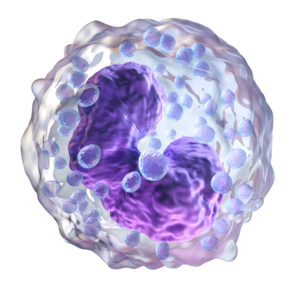
Wellness & Longevity
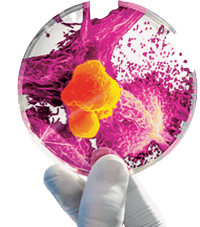
Dermo-aesthetic
Fertility
About Biocelk
Our Brands
Visit: regenivf.com
Peptide Therapy
Small molecules, key functions in your cellular health
Peptides are short chains of amino acids that act as biological messengers in the body, regulating essential functions such as tissue repair, collagen synthesis, hormonal activity, metabolic signaling, and the modulation of inflammation. In regenerative medicine, peptides are studied for their ability to influence key processes involved in recovery and biological balance, with a favorable tolerability profile when used under medical supervision.
doi.org/10.1186/s40779-024-00576-x
What are peptides?
Peptides are smaller molecules than proteins, made up of sequences of 2 to 20 amino acids. Their small size allows them to interact with specific cellular receptors and trigger precise biological responses, such as stimulating collagen production, controlling inflammatory cascades, or activating metabolic pathways. The scientific literature recognizes peptides as a versatile tool in regenerative medicine due to their functional specificity and their ability to modulate biological processes without introducing whole living cells into the body.
doi.org/10.3389/fbioe.2022.893936
Why are they relevant in regenerative medicine?
Peptides are relevant because they can influence several biological pathways that are essential for health and tissue recovery:
- Skin and soft tissue repair: studies have shown that specific peptides can promote cell migration, proliferation, and collagen synthesis, accelerating wound recovery and improving skin structure.
- Hormonal balance and endocrine health: certain classes of peptides act as regulatory signals in hormonal and metabolic systems, supporting functions such as energy metabolism.
- Cellular energy and metabolism: research in metabolic health has found that bioactive peptides can influence pathways related to insulin sensitivity and lipid metabolism.
- Control of inflammatory processes: by modulating the activity of inflammatory molecules and immune system cells, peptides may help reduce chronic inflammation.
- Support for healthy aging: their role in collagen synthesis and cellular signaling may support processes associated with tissue maintenance as the body ages.
These functions are described in scientific reviews that explore how peptides may be used as therapeutic agents or biomaterials within regenerative medicine strategies.
doi.org/10.1186/s40779-024-00576-x
Who may be considered for peptide therapy?
Peptide therapy may be considered for people who:
- Want to support their hormonal health in a non-invasive way, helping regulate endocrine and metabolic functions.
- Are in wellness, longevity, or regenerative medicine programs and want to improve their overall vitality.
- Want to improve skin quality or accelerate the recovery of soft tissue injuries.
- Have specific imbalances that may benefit from a targeted, evidence-based approach.
The clinical effectiveness of specific peptides depends on their structure, route of administration, and therapeutic goal, so their use should always be recommended under expert medical supervision with a personalized evaluation.
What would a clinical process at Procelk® look like?
Step 1 — Medical evaluation:
A comprehensive medical assessment, including hormonal and metabolic analysis, to understand the patient’s health status.
Step 2 — Peptide selection:
The peptide or peptide combination is chosen based on the expected therapeutic function, such as regenerative, immunomodulatory, or metabolic support, and the corresponding scientific evidence.
Step 3 — Application:
Administration is carried out through the most appropriate route, whether subcutaneous, intramuscular, or topical, always under medical supervision and safety criteria.
Step 4 — Follow-up:
Periodic evaluation of clinical results, protocol adjustments, and progress analysis to optimize therapeutic benefit according to individual needs.
Let’s talk about your case (or your patient’s case)
Would you like to explore how peptides may help you regain balance and vitality?
Let’s talk, and we’ll guide you with clear information and a responsible approach.