Why Biocelk?
Personalized Diagnosis
Highly Qualified Medical Team and Personnel
Largest and Most Reliable Cell Bank in Latin America
Cutting-edge Technology
Personalized Diagnosis
Highly Qualified Medical Team and Personnel
Largest and Most Reliable Cell Bank in Latin America
Cutting-edge Technology

Explore Treatments
Scientific Literature
Featured Treatments
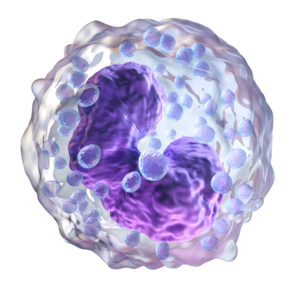
Wellness & Longevity
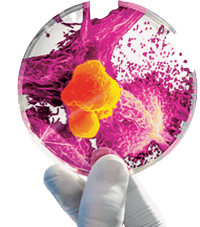
Dermo-aesthetic
Fertility
About Biocelk
Our Brands

Visit: regenivf.com
EXOSOME THERAPY
How cells “talk” to support tissue repair
Exosomes are small extracellular vesicles naturally released by nearly all the body’s cells. These microvesicles act as molecular messengers that transport proteins, lipids, and genetic material between cells to facilitate intercellular communication. In regenerative medicine, they are being studied as a tool with the potential to support tissue repair and modulate inflammation without the need to transplant whole living cells.
As described in a review published in the World Journal of Stem Cells, exosomes are derived from mesenchymal stem cells and cellular mediators loaded with biological signals that may participate in regeneration and communication between tissues, showing properties such as biocompatibility, low toxicity, and efficient transport of bioactive molecules.
doi.org/10.3390/cells10081959
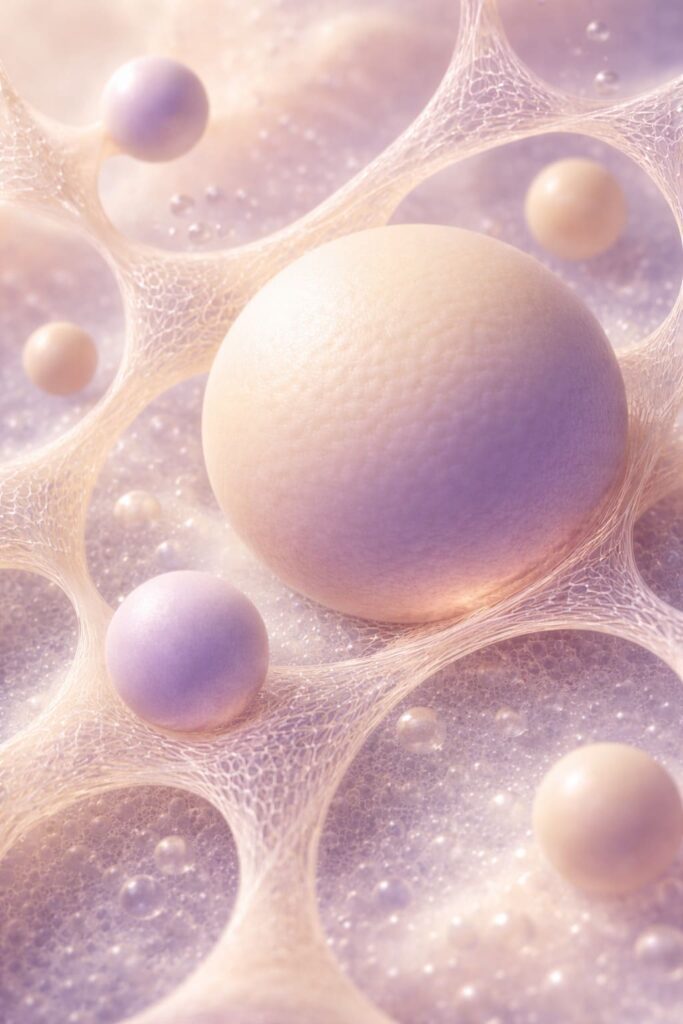
What are exosomes?
Exosomes are vesicles measuring 30–150 nm in diameter, formed inside a cell’s multivesicular bodies and released into the extracellular space, where they can travel to other cells and “deliver” their molecular cargo. Their composition includes bioactive proteins, messenger RNA, and microRNA, which influence cellular processes such as differentiation, proliferation, and signaling.
Why are exosomes relevant in regenerative medicine?
Scientific literature indicates that mesenchymal stem cell-derived exosomes (MSC-exosomes) may:
- Help modulate the immune system and reduce inflammatory signals.
- Support the regeneration of tissues such as skin, cartilage, and muscle by transporting bioactive factors that stimulate repair processes.
- Promote cellular communication that helps activate recipient cells and initiate repair cascades.
An article published in Clinical and Experimental Medicine documents that exosomes may improve wound healing, stimulate bone formation, and support cartilage repair in preclinical models, highlighting their role as a cell-free therapy.
Important: Although they show significant therapeutic potential, exosomes are not a “cure-all.” Their clinical use requires evidence, medical criteria, standardized techniques, and quality control.
Exosomes vs. Stem Cells
The key difference between stem cell therapies and exosome therapies lies in their mechanism of action:
- Stem cells: can interact directly with injured tissue and may even differentiate.
- Exosomes: act through paracrine cellular communication, transmitting biological signals without the need to introduce whole cells into the body.
This makes exosomes a biologically signaling-based alternative that may be useful in contexts where the goal is to harness the benefits of regenerative medicine while minimizing the risks associated with living cells.
Who may be considered for exosome therapy?
Exosome applications are currently being explored in different areas, such as:
- Tissue regeneration (skin, cartilage, muscle)
- Reduction of chronic inflammation
- Sports medicine and regenerative rehabilitation
- Preclinical models of degenerative diseases
Scientific evidence indicates that results may vary depending on the source of the product, the method of collection, the route of administration, and patient selection, so their use should always be under expert medical supervision.
What defines a serious therapy
A responsible and trustworthy exosome therapy should include:
- Clear identity and characterization of the product (what type of exosomes they are and how they are obtained).
- Safety and biosafety controls, including sterility, traceability, and proper handling.
- Detailed medical evaluation before and after application, with measurable therapeutic goals.
These practices are aligned with recommendations from scientific organizations that study extracellular vesicles and their therapeutic impact.
Regulation and transparency
In Mexico, COFEPRIS supervises the quality, safety, and efficacy of healthcare products, including innovative elements related to advanced therapies. At Procelk®, we communicate our compliance with current regulations and hold an operating license within this regulatory framework.
Frequently Asked Questions
Are exosomes stem cells?
No. They are extracellular vesicles that act as biological messengers, distinct from living stem cells.
Can a result be guaranteed?
The response depends on the clinical case, the protocol, the quality of the product, and medical follow-up.
What makes a product trustworthy?
Characterization, quality control, traceability, and responsible clinical evaluation.
Is it regulated?
Advanced therapies are governed by national regulatory frameworks; in Mexico, COFEPRIS supervises these healthcare products.
Let’s talk about your case (or your patient’s)
Exosome therapy must be clear, traceable, and medical.
Would you like to know whether an exosome protocol is right for you, or whether it may complement your patient’s clinical plan?
Let’s talk, and we’ll guide you with clear information and a responsible approach.