Why Biocelk?
Personalized Diagnosis
Highly Qualified Medical Team and Personnel
Largest and Most Reliable Cell Bank in Latin America
Cutting-edge Technology
Personalized Diagnosis
Highly Qualified Medical Team and Personnel
Largest and Most Reliable Cell Bank in Latin America
Cutting-edge Technology

Explore Treatments
Scientific Literature
Featured Treatments
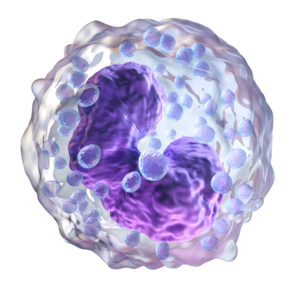
Wellness & Longevity
Dermo-aesthetic

Fertility
About Biocelk
Our Brands
Visit: regenivf.com
Bioactive Protein Therapy
How certain natural compounds can influence repair processes
Bioactive proteins are functional molecules that the body produces or receives externally, and they play essential roles in regulating biological processes such as cellular regeneration, immune response, and inflammation modulation.
In regenerative medicine, some of these compounds are studied or used in purified forms to support specific therapies, with the goal of activating biological pathways that promote tissue recovery and reduce pain.
doi.org/10.1186/s40779-024-00576-x
At Procelk®, we integrate this approach through safe, personalized protocols aligned with the available scientific evidence.
What are bioactive proteins?
Bioactive proteins are functional compounds that modulate different actions in the body. Unlike proteins that are merely structural or nutritional, these molecules can act directly as biological signals, modulating inflammation, immune response, or tissue repair processes.
Examples of bioactive proteins studied in regenerative medicine include growth factors such as PDGF (platelet-derived growth factor), which have been investigated in multiple clinical trials to support bone and soft tissue regeneration.
The National Institutes of Health describes bioactive proteins and peptides as having properties such as multifunctionality, biocompatibility, and biodegradability, making them promising candidates for tissue repair and functional recovery applications.
doi.org/10.1186/s40779-024-00576-x
Why are they relevant in regenerative medicine?
According to the article “Bioactive peptides and proteins for tissue repair…”, bioactive proteins can influence the cellular microenvironment by regulating signaling processes that are important in the response to injury. These molecules have shown potential to:
- Reduce chronic inflammation by modulating the activity of immune cells and pro-inflammatory molecules
- Stimulate tissue regeneration pathways, acting on reparative cells in the skin, muscle, bone, and other tissues
- Support immune functions through interaction with immune system cells
- Help control pain associated with inflammatory or musculoskeletal processes
These effects are related to their ability to influence cellular pathways such as proliferation, differentiation, and inflammatory homeostasis, as described in recent scientific analyses.
doi.org/10.1186/s40779-024-00576-x
Who may be considered for bioactive protein therapy?
Bioactive protein therapies may be considered for patients with conditions such as:
- Chronic pain or persistent joint inflammation, where protein modulation may support recovery
- Recovering muscle or tendon injuries, where specific proteins have demonstrated effects on cellular proliferation and regeneration
- Degenerative diseases, in which bioactive protein processes aim to slow progressive damage and support homeostasis
- The need to regulate inflammatory processes without prolonged use of conventional medications, taking advantage of the bioactive properties of growth factors or specific proteins
The appropriate protocol is defined after an individualized medical evaluation, taking into account clinical factors, therapeutic goals, and the available scientific evidence for each case.
What would a clinical process at Procelk® look like?
Step 1 — Evaluation:
Comprehensive clinical consultation to understand medical history, goals, and risks.
Step 2 — Protein Selection:
Based on the patient’s therapeutic needs, such as anti-inflammatory, immunomodulatory, or reparative support.
Step 3 — Application:
Administration may be systemic or localized, always under medical supervision and safety criteria.
Step 4 — Follow-up:
Evaluation of the patient’s response, recovery progress, and protocol adjustments according to clinical evolution.
Let’s talk about your case (or your patient’s case)
Are you interested in knowing whether bioactive protein therapy can help you recover your well-being?
Let’s talk, and we’ll guide you with clear information and a responsible approach.